Keep the lights on when the grid goes down
A home battery takes over the moment the power fails, and on every ordinary day it holds your solar production until you actually need it. Designed and installed by one local team.
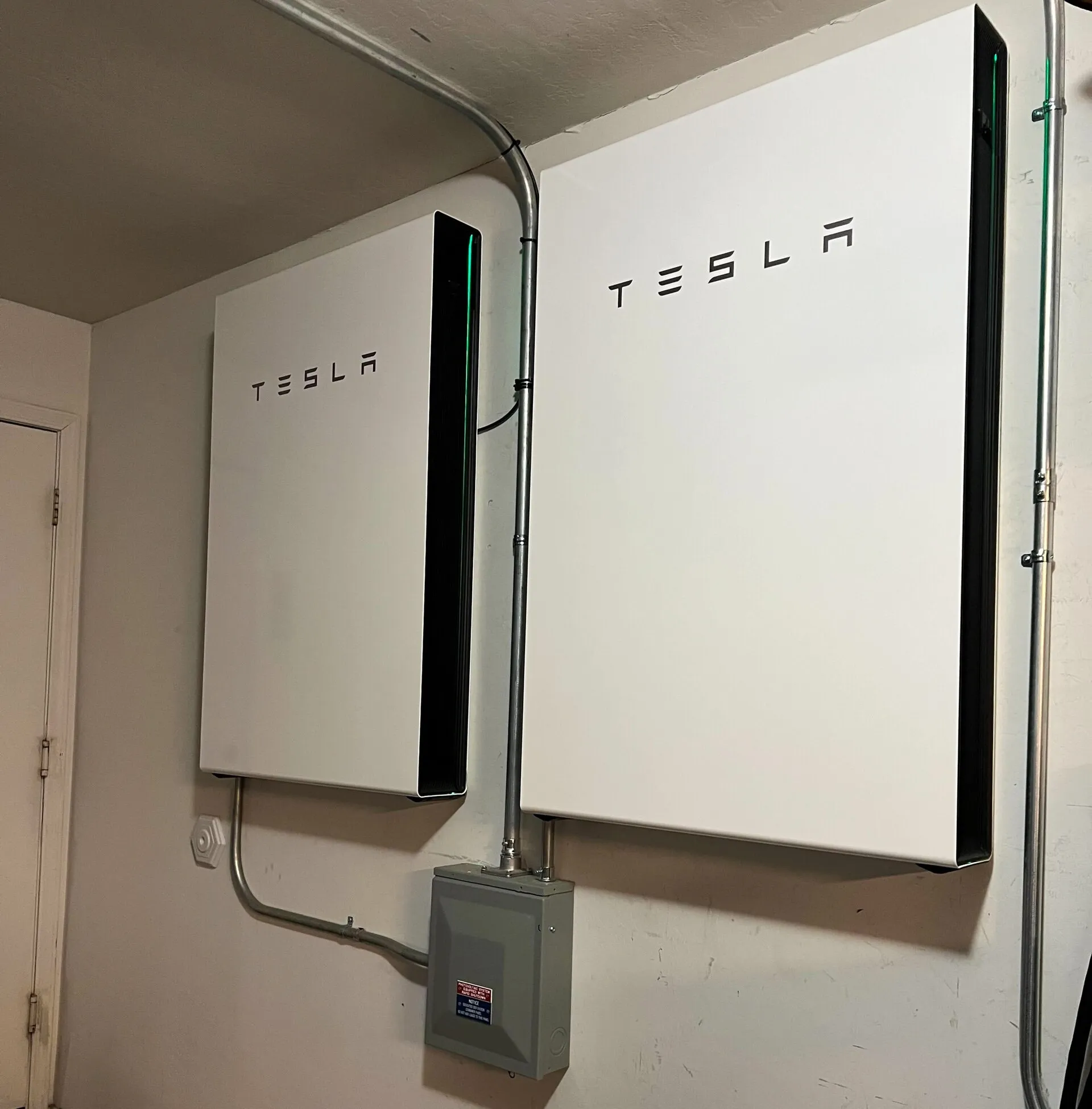
When the grid fails, your house doesn't.
Oregon outages don't ask permission. Ice storms, windstorms, and wildfire-season shutoffs all take the grid down without much warning. And if you have solar without storage, every kilowatt-hour you make but don't use leaves the house the moment it's produced. A battery solves both: backup power when the grid fails, and your own production on tap when the sun isn't out.
A home battery switches over automatically when the power goes out. No cords, no fuel cans, no trip to the breaker panel in the dark. The refrigerator, the furnace fan, the lights, the internet: the circuits you choose stay on.
How long it carries you depends on the capacity you install and what you're running, which is exactly what we size for during a free site evaluation.
Size a battery for your homeSolar fills it by day. You spend it by night.
Paired with a solar system, a battery stores your afternoon surplus and serves it back in the evening, so more of what your roof makes gets used inside your own walls. Oregon's 1:1 net metering still credits whatever you send to the grid. The battery just gives you a second place for that energy to go.
How the credits and incentives stack up is covered in our guide to Oregon solar incentives.
How our solar installs work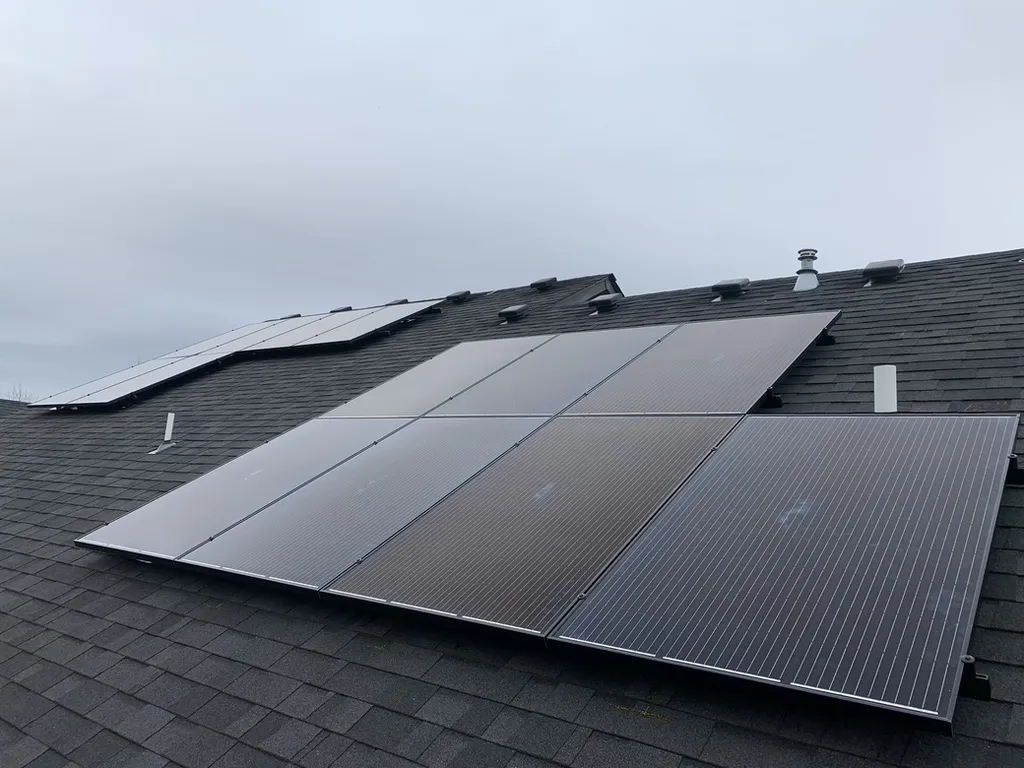
What goes on the wall, and who stands behind it.
Battery selection
We match the battery to your home and your existing solar equipment, not to a sales quota.
Capacity sizing
Sized to what you actually need backed up, whether that's essential circuits only or the whole house. No oversold capacity you'll never use.
Warranty
Batteries we install are covered by the manufacturer's warranty, plus our own workmanship warranty on the installation.
Adding a battery takes three steps. We handle the hard two.
From first call to switch-over, most projects finish in about eight weeks.
Free evaluation
We look at your panel, your usage, and what you need to stay on, then size a battery to match.
Design & permits
Electrical design, permitting, utility paperwork, and incentive applications, all done for you.
Install & power on
Most installs take 1–2 days. We test the switch-over before we leave.
"We had a fantastic experience working with Sunward to install panels and a whole home battery system. We settled on the right system for our needs, then they handled the logistics of permitting and rebates while keeping us in the loop. The crew that did the physical install were quick, careful, and obviously competent. Later when a lineman was a bit lost installing the bidirectional breaker I was able to quickly get Sunward on the phone and they walked him through the system."
What homeowners ask us about batteries.
Find out what it takes to keep your home on.
A 30-minute visit. A battery sized to your real loads. A straight answer on whether storage pencils out for your home, even if that answer is "not yet."