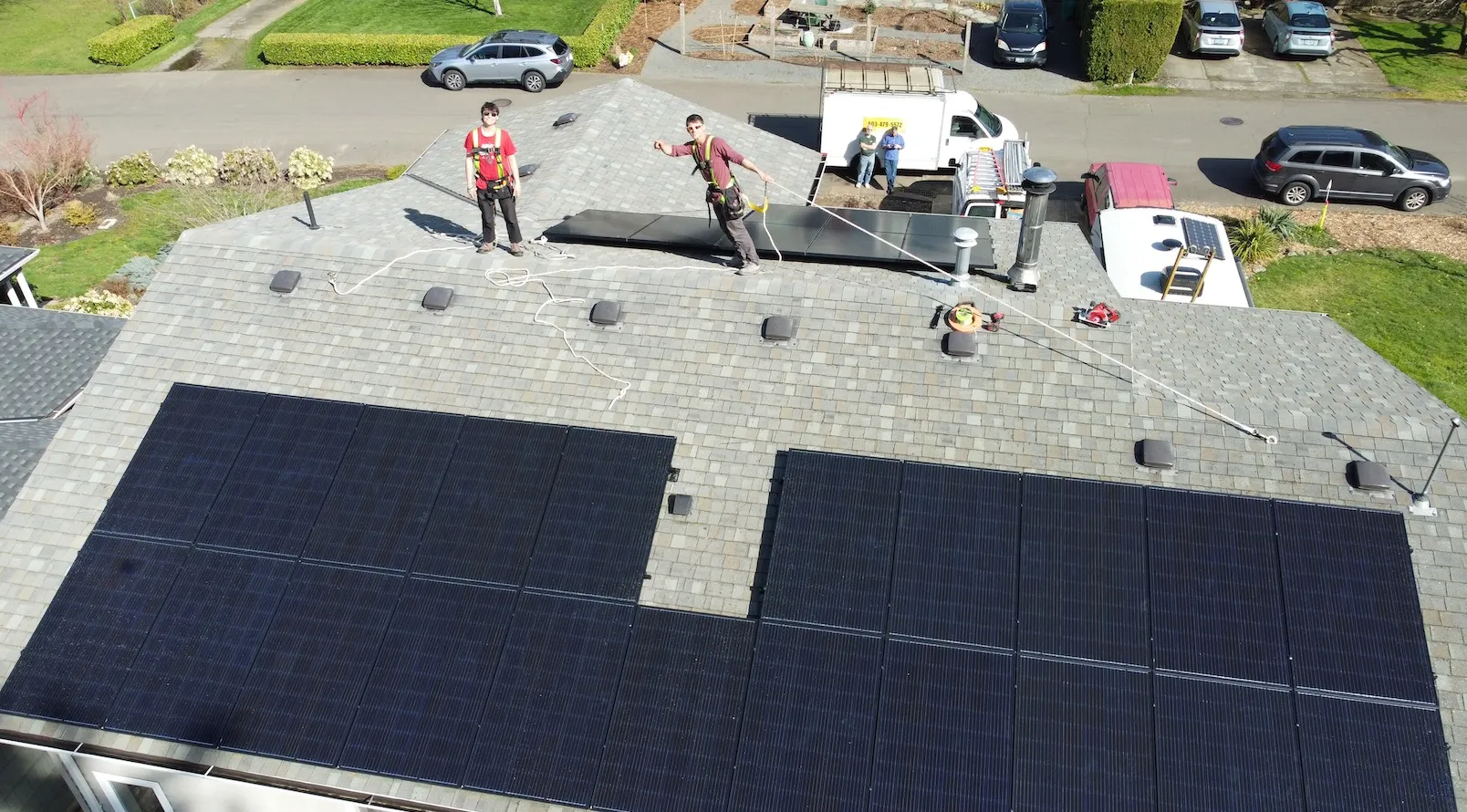
Commercial solar installation in Oregon
The federal tax credit for business solar starts at 30%, and bonuses can take it to 40% or more. To claim it, a new system has to be online by December 31, 2027. Commercial projects take months to design, permit, and connect, so the time to start is now.
Certified and partnered with





Commercial PGE and Pacific Power customers across Oregon.
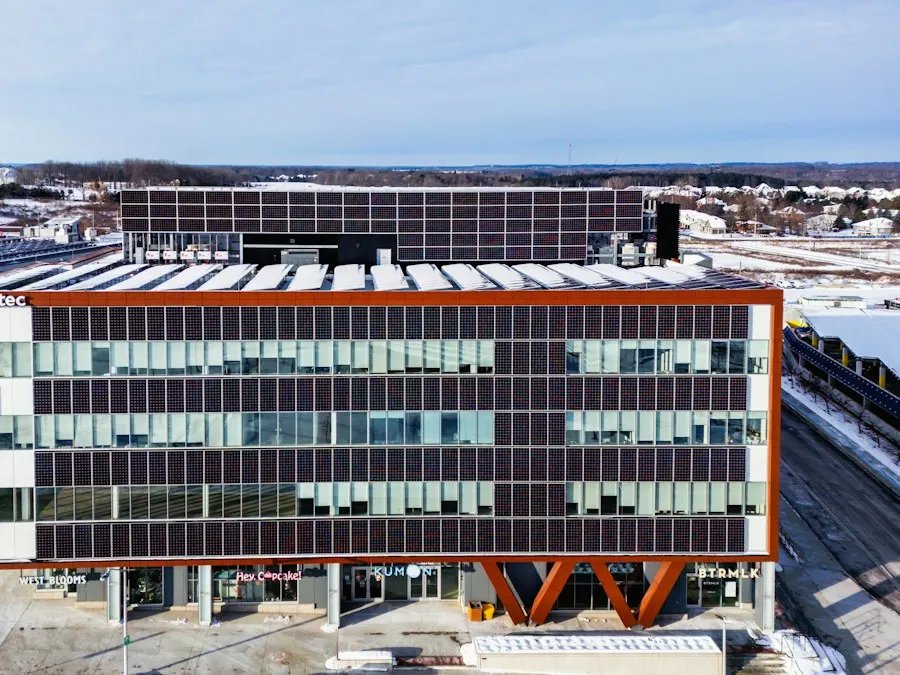
Offices & retail
Rooftop systems that cut the operating cost of the building you already own.
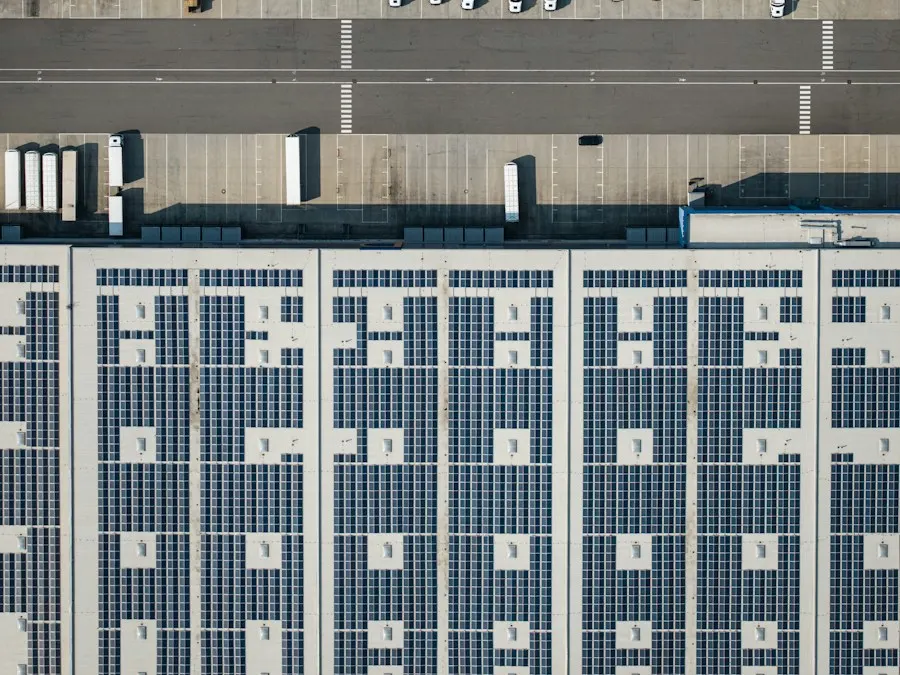
Warehouses & shops
Big, flat, or metal roofs are some of the best solar sites in the state.
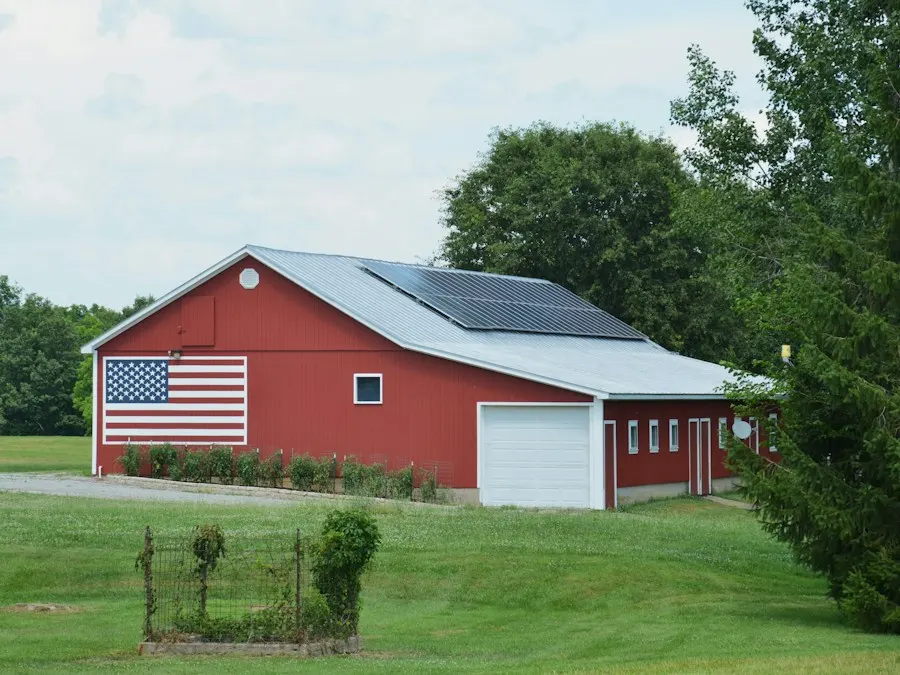
Farms & agriculture
Ground-mount and barn-roof systems for pumps, shops, and cold storage.
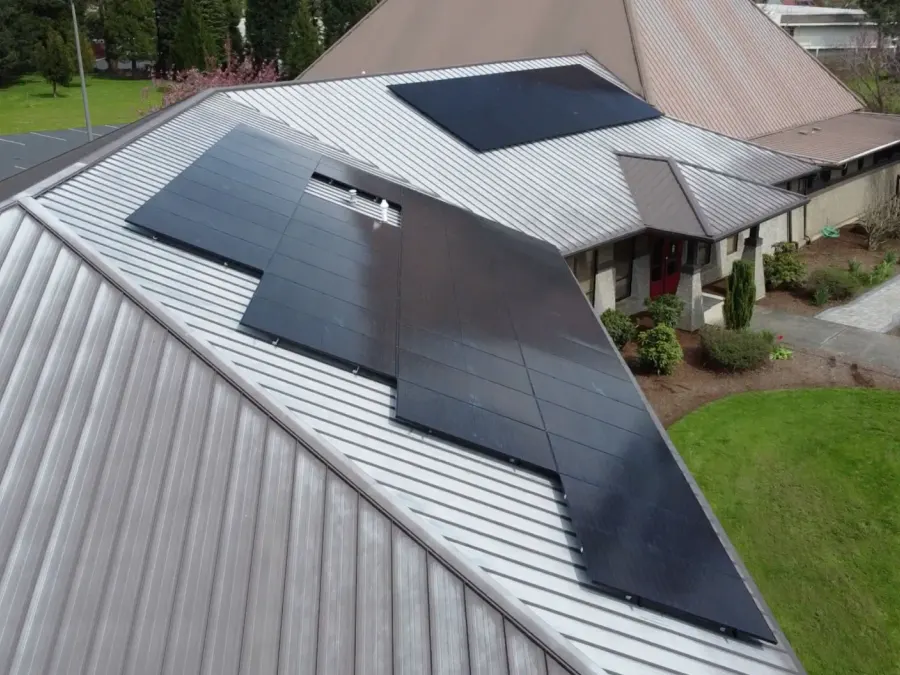
Churches & nonprofits
Lower operating costs, paid for in part by a direct IRS payment.
The window for the business tax credit closes at the end of 2027.
Under the 2025 federal tax law, a commercial solar project that starts construction now has to be placed in service (built, inspected, and switched on) by December 31, 2027 to claim the clean electricity investment credit. Miss that date and the credit is gone.
Two years sounds like plenty. It isn't much for a commercial project. Engineering, permits, equipment lead times, and PGE or Pacific Power interconnection review all take time, and every installer in the state is working against the same date. Businesses that start in 2026 have room to spare. Businesses that wait until late 2027 are gambling.
Batteries have a longer runway
Battery storage keeps its full federal credit for projects that start construction through 2033, so storage can be added now or later.
Four ways commercial solar pays you back.
These programs stack on the same project. Together they cover a large share of the cost of a commercial system.
40% or more with bonuses
30% of the installed cost for systems under 1 MW. Qualifying US-made equipment adds 10%, and so does a site in a designated energy community. Credit you can't use yet carries forward, or you can sell it.
Most of it off in year one
Solar depreciates on a 5-year schedule, and 100% bonus depreciation is back. The depreciable amount is reduced by half the credit, so at 30% you depreciate 85% of the cost.
Paid per watt installed
$0.10 per watt of solar, up to $9,500 for PGE customers and $10,000 for Pacific Power customers. Batteries earn $300 per kWh, up to $9,000.
The credit as an IRS payment
Nonprofits, churches, schools, governments, and Tribes don't owe income tax, so the IRS pays them the credit instead. How it works
Which of these does your project qualify for? The feasibility study shows you, in writing.
Request a feasibility study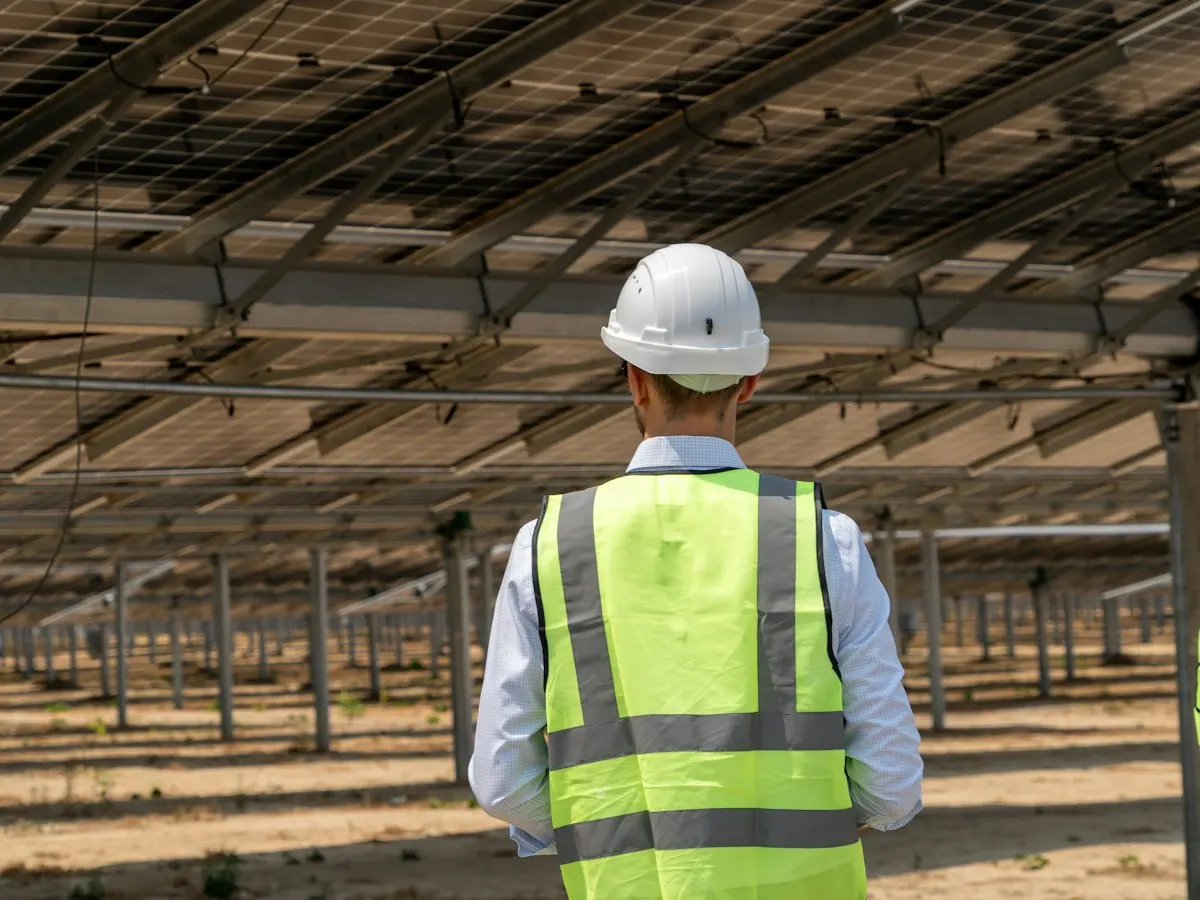
A feasibility study, with up to $5,000 from Energy Trust.
Before you commit to anything, we build a solar and battery feasibility report for your site. It gives you the numbers a business decision actually needs:
Physical site inspection
We walk your roof, ground, and electrical service in person. No satellite guesses.
Financial analysis
Projected production, savings, payback, and how the tax credit, depreciation, and Energy Trust incentives apply to your project.
CAD drawings of the proposed system
A real system design you can take to your board, your partners, or your accountant.
Energy Trust's development assistance can cover up to $5,000 of the study (up to $2,000 for solar and $3,000 for battery storage) for qualifying projects: solar plus storage, new construction, nonprofits, government, and Tribal Nations. If you build with us, the incentive goes toward your project.
No tax bill? You can still get the credit.
Churches, schools, charities, local governments, and Tribes can claim the federal solar credit as a direct payment from the IRS. It's called elective pay, and it carries the same 30% base credit and the same bonuses a business gets.
Who qualifies
- 501(c)(3) nonprofits
- Churches
- Schools
- Local & state governments
- Tribal governments
- Rural electric co-ops
Feasibility and design
We build the feasibility report and design a system that fits the rules.
Register with the IRS
Your organization registers the project with the IRS before filing.
Install and switch on
We build it, pass inspection, and connect with PGE or Pacific Power.
File and get paid
File a return for the year the system goes online, and the IRS pays the credit.
What business owners ask us about commercial solar.
Find out what your building can do before the deadline.
Tell us about your property and we'll call you to talk through the tax credit, the feasibility study, and a timeline that makes the 2027 date. The fastest way to reach us is by phone: 971-339-0123.
Incentive details are summarized from IRS and Energy Trust of Oregon guidance as of September 2026 and can change. This page is not tax advice. Confirm your eligibility with your tax advisor.