When you buy a solar system, you are buying something that should produce power for decades. So it makes sense to ask what happens when something goes wrong. The answer depends on which promise covers it. It is easy to hear "25-year warranty" and assume it covers everything. It doesn't. There are four separate protections, and each one has a different job.
The short version
Here is how a Sunward system is covered:
- Manufacturer warranty, 25 years. Covers defects in the equipment.
- Production guarantee, 30 years. Covers how much power the panels keep making as they age.
- Workmanship warranty, 10 years. Covers our installation work.
- Leak guarantee, 10 years. Covers roof leaks caused by the installation.
On top of that, we schedule a site inspection one year after installation, and we actively monitor production. Here is what each piece means in practice.
What the 25-year manufacturer warranty covers
The manufacturer warranty is the period of time the manufacturer will replace a part if it is defective. For the panels we install, that is 25 years.
Defective panels are rare, but it does happen. When it does, the manufacturer provides a replacement, usually through a local distributor. We come out and swap the panel under our warranty. There is no cost to you.
The key word is defect. The manufacturer warranty covers a panel that fails because of how it was made. It does not cover a panel that was broken by something else.
What the 30-year production guarantee covers
Solar panels don't usually just stop working. They slowly produce a little less power each year. The U.S. Department of Energy puts that loss at about 0.5% per year.
The production guarantee describes the expected degradation rate of your panels. In plain terms, it guarantees the quality of your solar production for decades to come. The manufacturer warranty protects the equipment. The production guarantee protects your returns, and it runs for 30 years.
Neither number is the lifespan of the system. Because panels degrade slowly, the panels we install today could last 40 or even 50 years. Our financial modeling still uses a 30-year useful life, so we are not counting on the bonus years. For more on this, read how long solar panels last.
Workmanship warranty and leak guarantee: 10 years each
The equipment is only half the story. The other half is how it was installed. Our workmanship warranty covers our installation work, including roof penetrations, wiring, and racking, for 10 years.
We also offer a separate 10-year leak guarantee. If a leak is caused by the installation, we are the responsible party. We come out and get it fixed.
We take a sense of ownership in every system we put on a roof. It is your system, but we are the ones looking after it and standing behind it. That is why we come back for a site inspection one year after installation. We check that the roof is bone dry, review the structure, and look over the electrical equipment. A full year gives the system all four seasons of Oregon weather. Most issues will have shown up by then.
What solar warranties don't cover
Warranties cover defects and installation problems. They don't cover damage from other causes. If a tree limb comes down on your roof and breaks a panel, that is not a manufacturer defect or a workmanship issue. The cost to repair it falls on the homeowner.
That is why we recommend adding your solar system to your homeowners insurance policy. If something big happens to your house, you want the insurance company paying to replace the system, not you. A quick call to your insurance agent after installation is worth it.
Roof replacement is not covered by warranty either. If your roof needs replacing during the life of the system, we remove the panels and reinstall them after the new roof is on. That work has a cost. Here is how replacing your roof works when you have solar panels.
What happens if your solar installer goes out of business?
This is a fair question, and it deserves a straight answer.
Your manufacturer warranty does not depend on your installer. If something happened to Sunward, your panels would still be covered by the manufacturer.
What you would lose is the coverage that comes from us: the 10-year workmanship warranty, the 10-year leak guarantee, the post-installation inspection, and our active production monitoring.
The system itself would keep working. Once a system is commissioned and running, it does not need its installer to operate. You have access to all the tools, and you could hire another contractor to service it.
The solar industry has been through big shifts over the last few years. Several very large national solar companies have gone out of business. Many of them depended on government support to survive. As solar becomes a mature industry, local contractors are in a good position. We aren't planning on going anywhere. Our service department keeps growing, because more and more homeowners ask us to support systems we didn't install.
Questions to ask before you sign
Whoever you choose to install your system, get clear answers to these:
- How long is the manufacturer warranty, and what does it cover?
- Is there a production guarantee, and for how many years?
- Do you offer a workmanship warranty? How long?
- Who pays if the installation causes a roof leak?
- Do you monitor production after installation?
- What happens to my coverage if your company closes?
We are happy to answer every one of them. Learn more about how we design and install residential solar, browse our solar FAQ, or schedule a free site evaluation.
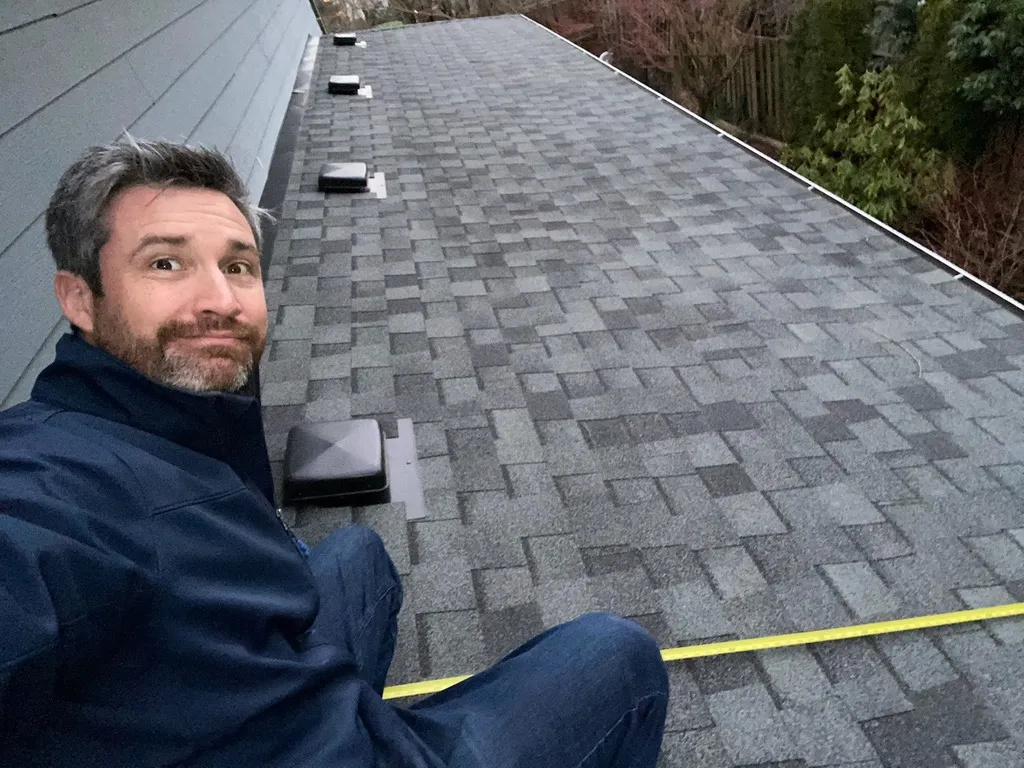
Chris founded Sunward Power to bring straight answers and local crews to Oregon solar.
Connect on LinkedIn